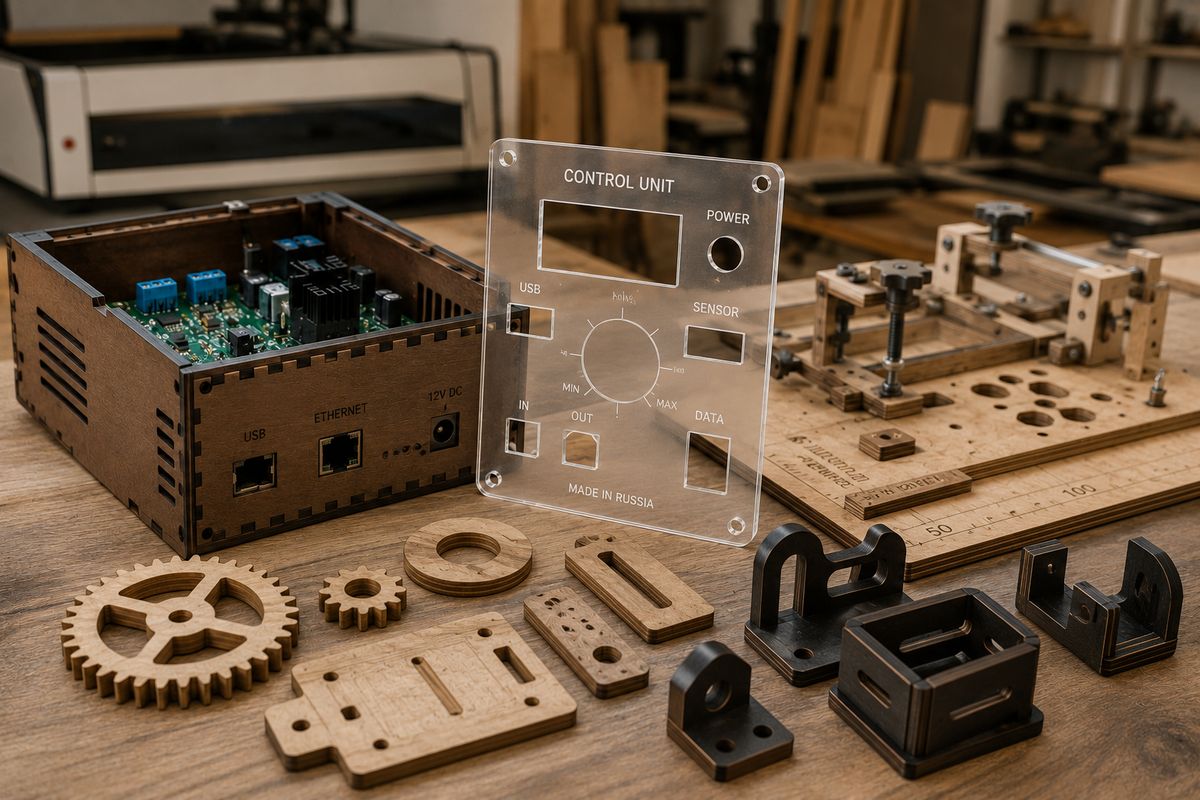
We engineer the product, nest the parts on the sheet and prepare files for launch: closed contours, operation layers, 1:1 scale. We work with your file or create artwork from scratch — from a sketch, a photo or a written description.
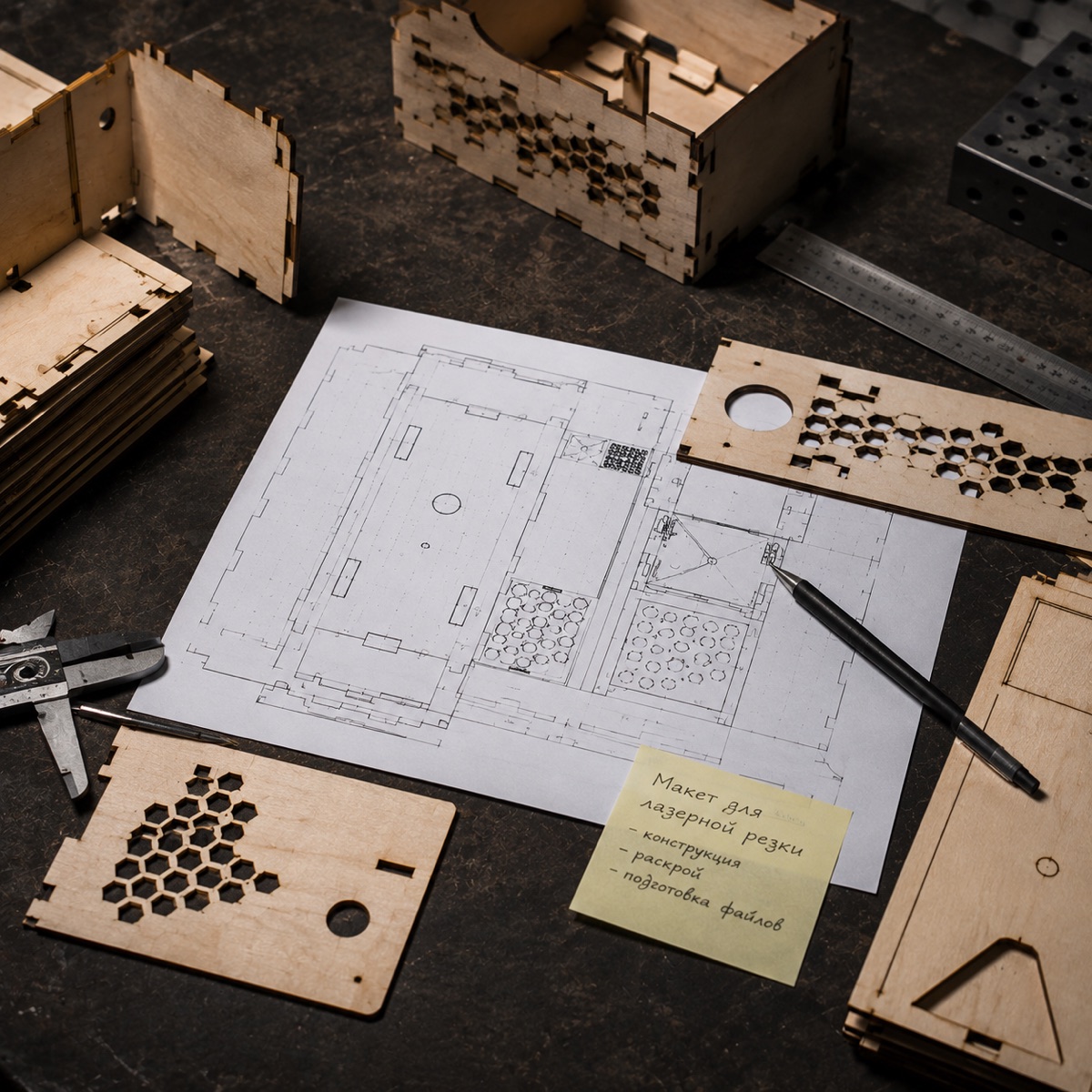 Engineering office · artwork prepared for nesting
The engineer turns an idea into working documentation: choosing how the parts join, the material thickness and the fits for hardware, then nesting the parts on the sheet so that material waste stays minimal. Nesting is what defines the unit cost of a run, so it gets dedicated attention.
The finished artwork is not a picture — it's a file that runs on the machine without corrections: closed contours, operations split into layers, kerf compensation. Before launch every file passes a pre-production check — errors are caught before the laser is ever switched on.
The full preparation cycle: from an idea in words to files that run on the machine without corrections.
What we accept as input and what you get back.
| Parameter | Value |
|---|---|
| Input formats | DXF, AI, CDR, PDF, SVG, raster images |
| No file needed | A sketch, photo, reference or description of the idea |
| Deliverables | Files for laser, CNC router and UV printer, layered by operation |
| Scale & tolerances | 1:1, kerf compensation of 0.1 mm |
| Turnaround | From 1–2 business days depending on complexity |
| Artwork storage | Kept indefinitely — repeat runs launch without re-approval |
Design complexity is priced by the number of parts and operations: we'll return an exact quote within one business day after the brief. Billing unit: per artwork — details in Pricing.
Approval at every step: you see the product before the run starts.
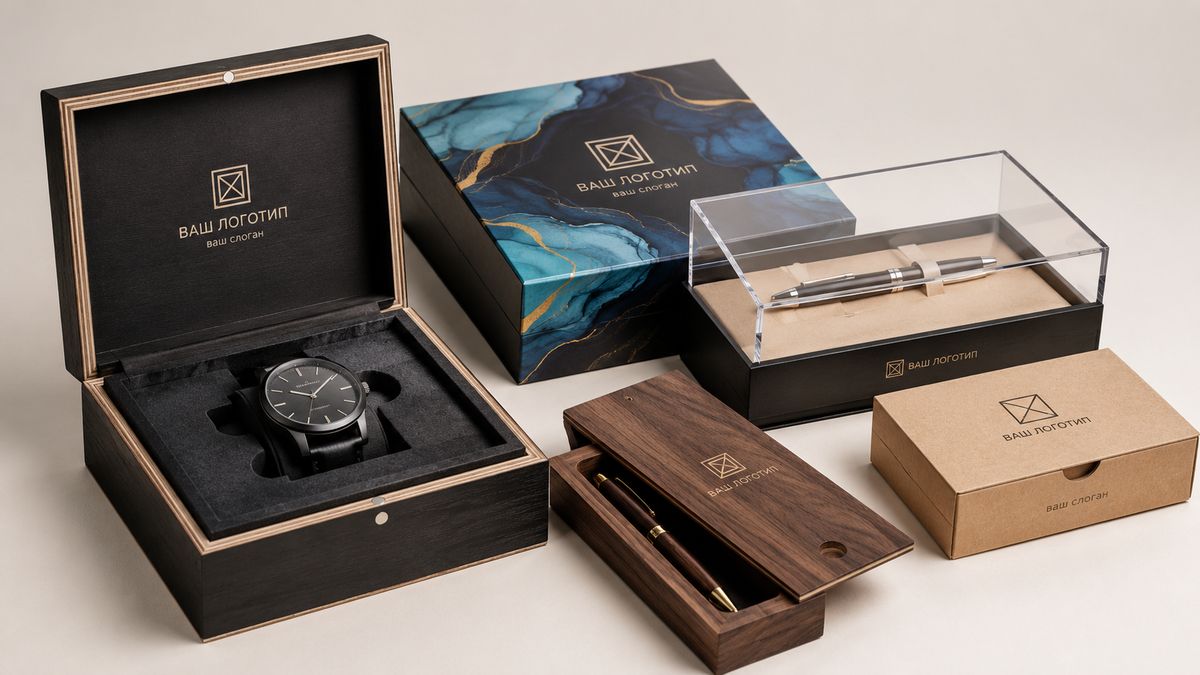
Design is where every order starts: packaging, games, decor and technical parts all begin with a file.
Every operation happens under one roof — your order is never passed between subcontractors.
Our engineer will review the task and suggest a material and structure; a manager will get back with a price and lead time within one business day.
A process engineer reviews your file and selects material and settings; a manager returns with price and lead time.